Need a Drain Cleaner in Anhangabaú? What Should You Check Before Calling One?
Regulations and consumer expectations for emergency plumbing in São Paulo have become clearer in 2026, with more emphasis on transparent pricing, written service orders and proper disposal of waste from sewer and septic tank cleaning. That matters in Anhangabaú, a central district where old buildings, mixed-use towers and heavy foot traffic put constant pressure on drainage systems. If you are searching for a desentupidora Anhangabaú São Paulo SP, the practical answer is this: confirm the company’s licensing, ask for a fixed callout fee and require a written diagnosis before any machine starts working.
This review follows the sequence a careful property manager or resident should use, from the first phone call to the moment water drains normally again. It is written from the perspective of someone who has tested the process in central São Paulo buildings, where access, noise rules and old pipework make every job slightly different.
What requirements should a drain cleaning company meet in Anhangabaú?
Before you compare prices, confirm that the provider can legally operate and can document what it does. In Anhangabaú, many buildings are commercial on the ground floor and residential above, so a single blockage can affect several units and require coordination with the building manager. A professional company should be comfortable working in that environment.
Licensing, insurance and identification
Ask for the company’s CNPJ, a service address and proof of liability insurance. A legitimate team arrives in uniform, with an identified vehicle and a technician who can explain the equipment being used. If the person on the phone cannot provide a company name, a landline or a written quote, treat that as a warning sign rather than a bargain.
Equipment suited to old central pipework
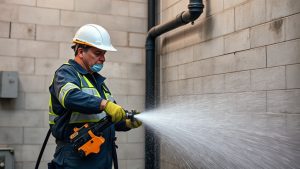
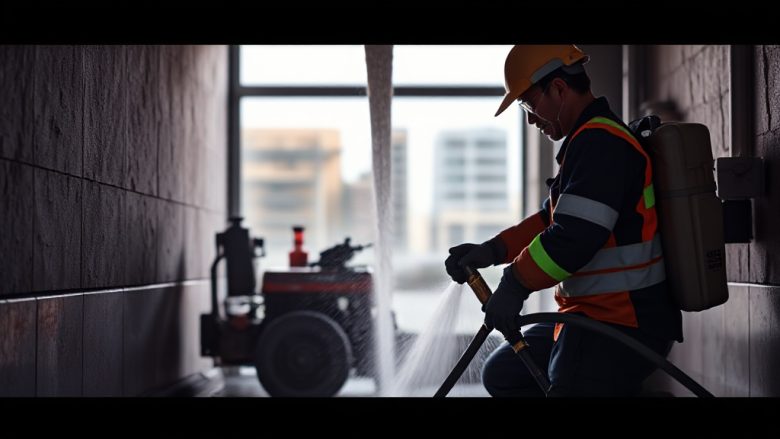
Anhangabaú has a mix of older cast-iron and ceramic lines alongside newer PVC. The right approach depends on the pipe material, the diameter and the location of the blockage. A company that only offers a manual plunger or a single rotating cable may not be able to clear a main line. Look for providers that carry inspection cameras, hydrojetting units and suction trucks, because those tools let them diagnose before they force anything through the pipe.
Clear pricing and a written service order
A reliable provider quotes a callout fee, explains what is included and states what triggers extra charges, such as night work, difficult access or waste removal. The service order should list the address, the reported problem, the method used and the final price. Keep a copy; it is your evidence if a problem returns within the warranty period.
How does the process work, from the first call to a flowing drain?
The sequence below reflects what a properly managed emergency job looks like in the Anhangabaú area. Each step should happen in order, and skipping one usually costs more time later.
- Report the problem clearly. Describe where the water backs up, whether it smells like sewage, and whether other units are affected. Mention any recent work on the building’s plumbing.
- Receive a preliminary quote. The dispatcher should give a callout fee and an estimate range, and confirm the earliest arrival window.
- Prepare access. Clear the area around the inspection box, drain or manhole, and inform neighbours if the technician will need to enter common areas.
- On-site diagnosis. The technician inspects the pipe, checks for multiple blockages and decides between mechanical cleaning, hydrojetting or suction.
- Execution and verification. After clearing the line, the team runs water through it, checks flow at the furthest fixture and confirms that no secondary blockage remains.
- Documentation and cleanup. You receive the service order, a brief explanation of the cause and advice on preventing a repeat.
When you contact a desentupidora Anhangabaú, ask which of these steps are included in the quoted price. The best companies explain the process before they arrive, which reduces surprises and lets you plan around building access rules.
Diagnosis before any aggressive method
A camera inspection is not always necessary for a simple sink blockage, but it is essential for repeated backups, sewage odours and main-line problems. Without a camera, a technician may clear a partial obstruction and leave a collapsed section or root intrusion untouched. That is why a proper diagnosis comes before hydrojetting, which uses high-pressure water and can damage fragile pipes if the pressure is wrong.
Choosing the right method for the blockage
Mechanical augers work well for grease and soft obstructions in smaller lines. Hydrojetting is better for scale, sludge and roots in larger mains, but it requires the right nozzle and pressure for the pipe material. Suction trucks remove standing waste and are often paired with jetting in sewer lines and septic systems. A company that offers only one method will try to solve every problem with it, which is not how professional drainage work should operate.
What should you check after the service is finished?
The job is not finished when the technician packs up. Verification protects you from paying twice for the same blockage. Run water at every fixture connected to the affected line, including the lowest drain in the building if you have access. Watch for slow drainage, gurgling sounds and sewage smells, which can indicate a remaining partial blockage or a venting problem.
Confirm that the technician tested the flow at the furthest point, not just at the drain that was cleared. In larger buildings, a blockage in a horizontal branch can look solved at the sink while the main stack is still restricted. Ask for the camera footage or a written note if the diagnosis involved a camera inspection.
Check the service order against the final invoice. The method, the time spent and any additional parts should match what was agreed. If waste was removed, confirm that it was transported to a licensed disposal site; improper dumping is a health and environmental violation, and the building could be implicated if the contractor is caught.
| Check | Why it matters |
|---|---|
| Flow at the furthest fixture | Confirms the whole branch is clear, not just the visible drain |
| Written service order | Documents the cause, method and price for warranty claims |
| Waste disposal note | Shows the contractor handled sewage legally |
| Warranty terms | Clarifies what is covered if the blockage returns |
Which mistakes make an Anhangabaú blockage worse?
The most common mistake is pouring chemical drain cleaner into a blocked line. In old central buildings, harsh chemicals can damage seals and pipe joints without removing the obstruction, and they create a hazard for the technician who arrives later. Another frequent error is ignoring a slow drain until it becomes a backup; early intervention is cheaper and less disruptive.
Hiring based only on the lowest phone quote is risky. A very low callout fee often leads to inflated charges once the technician is on site and the customer feels unable to refuse. Ask for the total estimated cost, including the callout, before authorising work. Also avoid letting an unverified provider open a manhole in a shared area without the building manager’s knowledge, because responsibility for damage or contamination becomes unclear.
Finally, do not accept a verbal promise that the problem is solved. A reputable team will show you the result and explain what caused the blockage. If you need a desentupidora em Anhangabaú São Paulo SP for a recurring problem, choose one that offers a diagnostic report and a clear warranty rather than a quick fix with no follow-up.
How do you decide whether to repair, replace or maintain the line?
After the blockage is cleared, the underlying condition of the pipe decides the next step. A single blockage caused by grease or foreign objects usually needs only cleaning and better habits. Repeated backups in the same section suggest a structural problem, such as root intrusion, a sagging line or a collapsed joint, which may require repair or replacement.
Preventive maintenance is the practical middle ground. Scheduling periodic hydrojetting or camera inspections for older buildings in Anhangabaú reduces emergency calls and extends the life of the drainage system. For restaurants and commercial kitchens, grease trap cleaning should be part of the routine, not an afterthought.
Review the technician’s findings against the building’s history. If the same line has blocked three times in a year, a one-off cleaning is not a solution. Ask for a written recommendation with options, costs and expected durability, then decide with the building manager or owner. That is the point where a properly tested process turns into a working result: a drain that flows, a documented cause and a plan that prevents the next emergency.