What Should You Check Before Hiring a Desentupidora Sumaré?
The most common mistake people make is treating a blocked drain as a DIY problem and pouring chemical products down the pipe before calling anyone. By the time they contact a desentupidora Sumaré, the clog has often hardened, the chemicals have damaged the fittings, and the job costs more than it needed to. If you are searching for help in this part of São Paulo state, the real question is not just who answers the phone fastest, but who will arrive with the right equipment and explain the cause instead of only clearing the symptom.
Why the First Phone Call Decides the Whole Job
When a technician takes a ticket, the first two minutes of conversation usually determine whether the visit solves the problem or turns into a return trip. A serious provider asks what is backing up, where, for how long, and whether any chemical product was already used. That information changes the tool they bring, from a manual cable to a high-pressure jetter.
Callers who simply say “my sink is blocked” often get a generic drain snake and a temporary fix. Callers who describe the smell, the slow drainage in other fixtures, and the last time the septic tank was emptied get a proper diagnosis. The quality of your description directly shapes the quality of the service.
This is also where you can tell whether the company is local and used to the neighborhood’s plumbing. Older homes in Sumaré often have clay or cast-iron lines with tree roots nearby, while newer commercial buildings use PVC with tighter bends. A team that works in the area regularly knows which failure pattern to expect.
What the Technician Should Ask and Inspect
A support technician handling these tickets will tell you the same thing: half the work is done before the equipment is switched on. The visit should start with questions, not with a machine.
Questions that reveal the real problem
- Which fixtures are affected, and is the backup worse after heavy water use?
- Is there a septic tank on the property, and when was it last cleaned?
- Has anyone used caustic soda, bleach or “miracle” drain liquids?
- Is there a floor drain in the garage or laundry area that gurgles when you shower?
Each answer narrows the diagnosis. Gurgling across multiple fixtures points to a main line issue, not a single trap. A recurring backup after every rainy period suggests root intrusion or a partially collapsed pipe. A smell that lingers even when water flows freely often means a dry trap or a vent problem.
What a proper inspection includes
The technician should locate the access points, check the cleanouts, and confirm whether the blockage is in the building’s internal network or in the connection to the public sewer. If the line cannot be cleared with a cable, a camera inspection is the next step. Any company that refuses to look inside the pipe is guessing.
In Sumaré, many residential properties sit close to the street connection, so the boundary between private and public responsibility matters. A good provider tells you clearly which side of that line the problem is on, because it affects who pays for the repair.
Hydro Jetting, Cable Machines and Chemical Drain Cleaners
There are three broad approaches to clearing a line, and they are not interchangeable. The choice depends on the material of the pipe, the nature of the blockage, and how much of the network is affected.
| Method | Best for | Main risk |
|---|---|---|
| Manual or electric cable | Small blockages in sinks, showers and short runs | Can scratch older pipes if used aggressively |
| High-pressure hydro jetting | Grease, roots and scale in main lines | Requires correct pressure for the pipe material |
| Chemical cleaners | Very light organic buildup only | Corrodes fittings and harms septic systems |
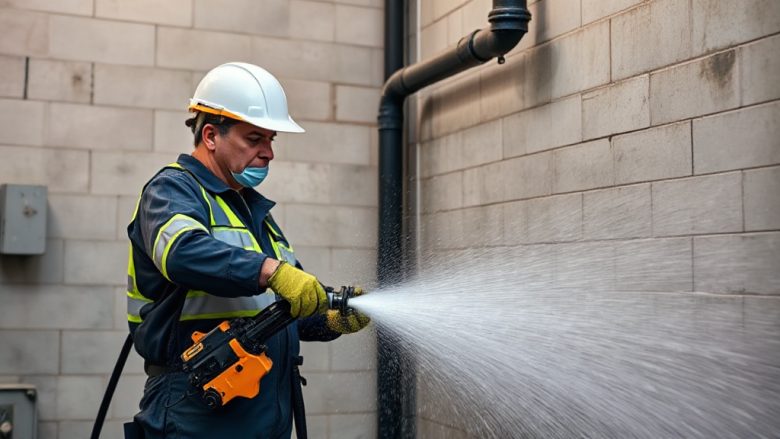
Hydro jetting is the method most associated with professional desentupidora Sumaré SP teams because it cleans the pipe wall rather than just punching a hole through the clog. It removes grease film and root fragments that a cable would slide past. The trade-off is that it needs a water source and a machine that fits the access point, so not every apartment is suitable without preparation.
Chemical products deserve a warning. They are the leading cause of avoidable damage in domestic plumbing, and in properties with a septic tank they can disrupt the bacterial balance that makes the system work. If you have already used them, say so before the technician starts.
Septic Tanks, Grease Traps and Preventive Maintenance
Not every blockage is a pipe problem. In areas without a full public sewer connection, the septic tank and the grease trap do most of the work, and they fail quietly. A tank that has not been emptied in several years will eventually send solids into the drain field, and at that point clearing the pipe is only a stopgap.
Restaurants and commercial kitchens face the same issue with grease traps. A trap that is cleaned on a schedule rarely causes an emergency; one that is ignored until the sink backs up during dinner service costs far more in lost business than the cleaning would have. Preventive maintenance is cheaper than any emergency call-out.
For homeowners, the practical rule is to know where the tank is, how big it is, and when it was last serviced. If you cannot answer those three questions, book an inspection before something backs up on a weekend. A desentupidora em Sumaré SP that offers both emergency response and scheduled cleaning can keep the same record over time, which makes future diagnosis much faster.
Availability, Pricing and the Emergency Call-Out
Blockages do not respect business hours. A backed-up floor drain at 11 pm in a condominium affects every unit above and below, and the building manager needs someone who will actually answer. This is why 24-hour attendance is a genuine differentiator, not a marketing line.
On pricing, be wary of quotes given before anyone has seen the line. A responsible provider gives a range based on your description, confirms it on site, and explains what changes the price: depth of access, need for a camera, distance to the main line, and whether the waste must be removed. Ask whether the call-out fee is separate from the service fee, and whether there is an additional charge for nighttime or weekend work.
Also confirm what happens after the clearing. Does the company remove the debris, clean the area, and provide a written note of what was found? That record matters if the problem returns within weeks, because it proves the cause was identified rather than guessed.
What to Do Right Now If Your Drain Is Backing Up
Stop using water in the affected area. Every flush and every load of laundry adds volume to a line that is already full, and it can push waste into other fixtures. Do not pour more chemicals in, and do not open a cleanout cap unless you are prepared for what may come out.
Write down what you observed: which fixtures are affected, when it started, whether there is a smell, and whether it worsens after rain. Take a photo of the access point if you can reach it safely. Then call a provider, describe the situation using those notes, and ask two direct questions: what equipment will you bring, and can you inspect the line if clearing alone does not solve it?
Finally, keep the contact and the service record. The next time something slows down, you will not be starting from zero, and you will know exactly who to call and what to expect.